Trump Tariffs March 2026: 25% on Mexico and Canada, 10% More on China — What It Means for LATAM and Prediction Markets
The Trump administration activated 25% tariffs on Mexico and Canada alongside an additional 10% surcharge on China, effective March 4, 2026. These are the most aggressive U.S. trade measures of the year, directly impacting LATAM economies, reshaping prediction market odds, and creating high-volatility trading opportunities. With a Trump-Xi summit scheduled for late March and Mexico's diplomatic channels frozen, traders face a complex scenario matrix.
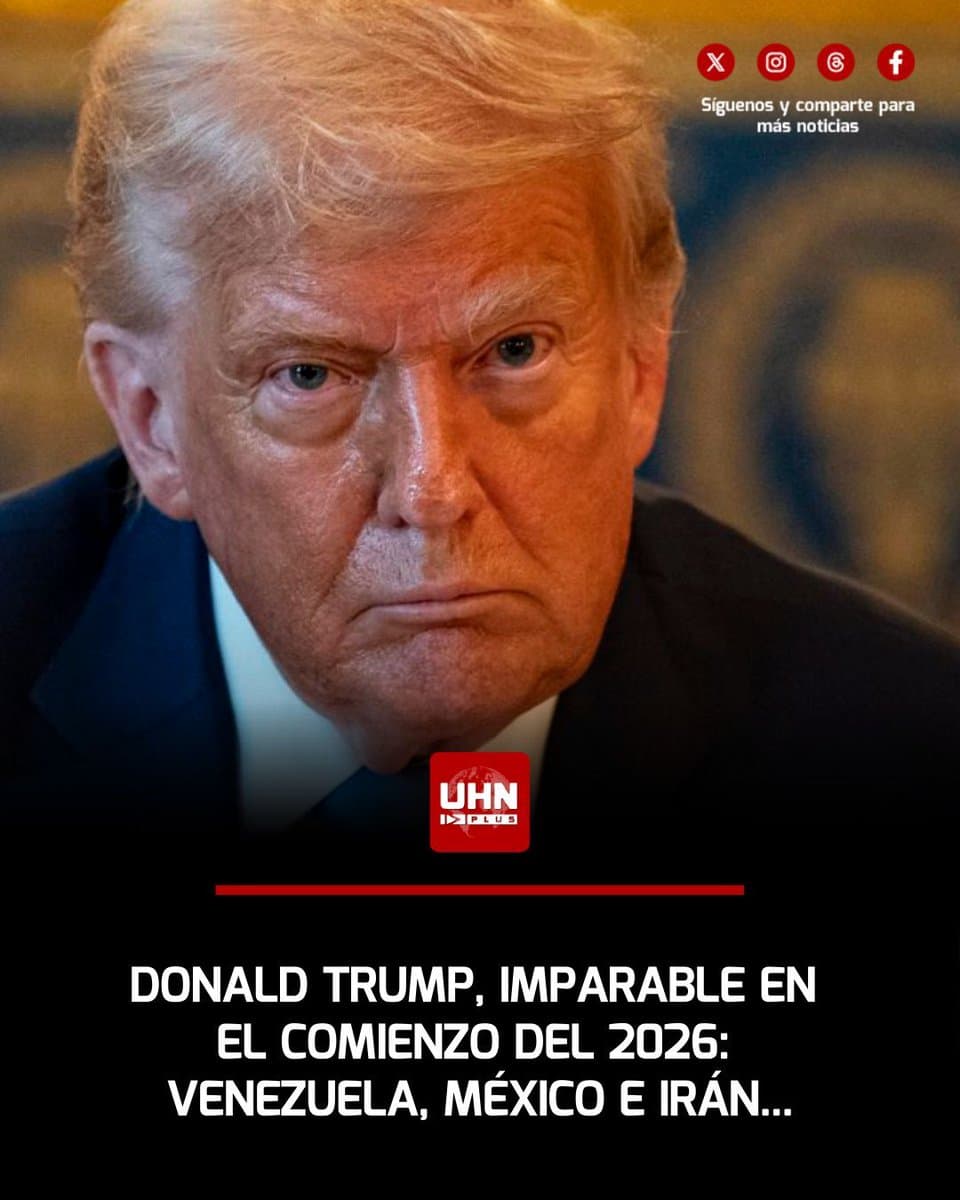
Trump Tariffs March 2026: What They Mean for LATAM and Prediction Markets
On March 4, 2026, the United States activated 25% tariffs on all imports from Mexico and Canada, alongside an additional 10% surcharge on Chinese goods. These measures represent the most aggressive trade action of the Trump administration in 2026 and are already moving prediction market odds on trade war escalation, LATAM currencies, and nearshoring bets.
For LATAM-based traders and crypto-native participants in prediction markets, this is a defining event. The tariffs directly impact Mexico's export economy, reshape supply chain dynamics across the region, and create high-volatility trading opportunities on platforms like Polymarket and Predik.
What happened and why it matters
President Donald Trump signed executive orders imposing a 25% tariff on goods imported from Mexico and Canada, effective March 4, 2026. China faces an additional 10% tariff on top of existing duties, bringing total tariffs on many Chinese products above 35%. The stated justification includes border security, fentanyl trafficking, and trade imbalances.
Mexico is the most directly affected LATAM economy. In 2025, Mexico exported over $400 billion in goods to the U.S., making it the largest U.S. trading partner. A 25% tariff wall threatens automotive, agriculture, and manufacturing sectors that employ millions of workers. Canada faces similar pressure across energy and raw materials exports.
The timing is significant: Trump is scheduled to visit China from March 31 to April 2 to meet with Xi Jinping, reportedly to negotiate an extension of the commercial truce. This creates a clear window for potential de-escalation with Beijing, though no comparable diplomatic channel is open with Mexico as of March 6. President Sheinbaum has been excluded from Trump's Continental Summit, signaling a diplomatic freeze that reduces the probability of a quick negotiated resolution on the Mexico-U.S. front.
What prediction markets are saying about Trump tariffs March 2026
On Polymarket, contracts related to U.S. trade war escalation have seen sharp volume increases since the announcement. Markets currently price the probability of tariffs remaining at 25% on Mexico through Q2 2026 at approximately 58–62%. The probability of a full rollback before April is estimated at only 12–15%.
Contracts tracking whether Trump reaches a deal with Xi during his late-March visit are trading around 40–45% for a partial tariff reduction on Chinese goods. For Mexico and Canada, prediction markets reflect higher uncertainty: the odds of a negotiated reduction to 10–15% tariffs within 60 days sit around 30–35% (estimated based on current contract activity).
On Predik, LATAM-focused traders are particularly active on markets tied to Mexican peso stability, Banxico rate decisions, and nearshoring disruption scenarios.
Scenarios and probabilities
- Base scenario (50–55%): Tariffs on Mexico and Canada remain at 25% through Q2 2026, with minor carve-outs for specific sectors like auto parts and energy. China tariffs are partially negotiated during Trump's late-March Beijing visit, reduced by 5–10%. The Mexican peso weakens to 19.5–20.5 per dollar. Prediction market volumes on trade war contracts spike 3–5x from pre-announcement levels.
- Bull scenario (20–25%): A diplomatic breakthrough with Mexico triggers a phased tariff reduction to 10% by May. The Trump-Xi summit produces a broader deal covering tech and agriculture. Risk assets rally, MXN recovers to 17.5–18.0, and prediction market probabilities on trade war de-escalation surge above 70%.
- Bear scenario (20–25%): Retaliatory tariffs from Mexico, Canada, and China trigger a full-blown trade war. USMCA is effectively suspended. The Mexican peso crashes beyond 21 per dollar, LATAM equities sell off 10–15%, and crypto markets experience sharp volatility as capital rotates into stablecoins. Prediction markets price prolonged conflict above 75%.
Impact on prediction markets
The March 2026 tariffs have created one of the most active trading periods on prediction platforms since the 2024 U.S. election cycle. Three key dynamics stand out:
Liquidity concentration: Most trading volume is flowing into binary contracts (tariffs remain yes/no) rather than graduated outcomes. This may systematically under-price partial-deal scenarios, creating opportunities for sophisticated traders who model nuanced outcomes.
LATAM-specific plays: Contracts on Mexican peso ranges, Banxico interest rate decisions, and nearshoring company performance are drawing unprecedented interest from the region's crypto-native community. These markets are thinner and may offer better risk-reward than headline contracts.
Correlation risk: Tariff outcomes are highly correlated with broader risk sentiment. Prediction market prices may move with crypto and equity markets rather than reflecting independent probability assessments, creating temporary mispricings during volatility spikes.
The Trump-Xi summit window (March 31–April 2) is the next major catalyst. Traders should position ahead of this date and monitor diplomatic signals closely.
Risks and what would invalidate this thesis
- Surprise bilateral deal: An unexpected U.S.-Mexico negotiation — potentially brokered through back channels despite the current diplomatic freeze — could rapidly deflate tariff-war contracts and catch short-sellers off guard.
- U.S. domestic backlash: Consumer price spikes from 25% tariffs on Mexican and Canadian goods could trigger congressional pushback from both parties, forcing the administration to moderate faster than markets currently expect.
- Escalation beyond trade: If tariffs become linked to immigration enforcement or military posturing — a pattern already visible in Trump's 2026 geopolitical agenda — the situation could exceed what current prediction market frameworks are designed to price, creating liquidity gaps.
- China wildcard: A breakdown in Trump-Xi summit talks could trigger cascading retaliatory measures that reshape the entire global trade landscape, making current scenario probabilities obsolete overnight.
FAQ
When did Trump's March 2026 tariffs take effect? The 25% tariffs on Mexico and Canada and the additional 10% on China became effective on March 4, 2026, following executive orders signed by President Trump.
How do these tariffs affect LATAM prediction market traders? They create high-volatility contracts on trade outcomes, currency movements, and economic policy responses. LATAM traders on platforms like Predik and Polymarket can trade directly on tariff duration, peso exchange rate ranges, and diplomatic outcomes.
Will the tariffs be negotiated down? Prediction markets estimate a 30–35% probability of significant reduction within 60 days for Mexico and Canada. For China, the odds are slightly higher at 40–45%, tied to the Trump-Xi summit scheduled for late March. Full removal before Q3 2026 is priced below 20%.
Sources
Track markets like this in real time on Predik.