Maduro Captured: How U.S. Military Action in Venezuela Is Reshaping LATAM Prediction Markets in 2026
Reports confirm that Nicolás Maduro was captured in a transnational U.S. military operation, triggering a seismic shift in LATAM geopolitics. Diosdado Cabello has issued threats against Washington, Delcy Rodríguez has dismissed the defense minister, and prediction markets are repricing regime change, oil supply disruptions, and regional instability across Venezuela, Colombia, Mexico, and Cuba. Here is what traders need to know.
Maduro Captured by U.S. Forces: What It Means for Venezuela Prediction Markets in 2026
Nicolás Maduro has been captured in a transnational military operation led by the United States, marking the most significant regime change event in Latin America in decades. Prediction markets are now repricing Venezuela's political future, regional stability, and oil supply dynamics in real time — and LATAM traders are at the center of the action.
The capture of Maduro fundamentally alters the geopolitical calculus for the entire region. From regime change probabilities in Caracas to spillover risks in Colombia, Mexico, and Cuba, the dominoes are falling fast. Predik breaks down what the data says and where the smart money is moving in prediction markets for 2026.
What happened and why it matters
As of mid-March 2026, multiple reports confirm that Nicolás Maduro was detained by U.S. military forces in a coordinated transnational operation. The immediate aftermath has been swift and chaotic:
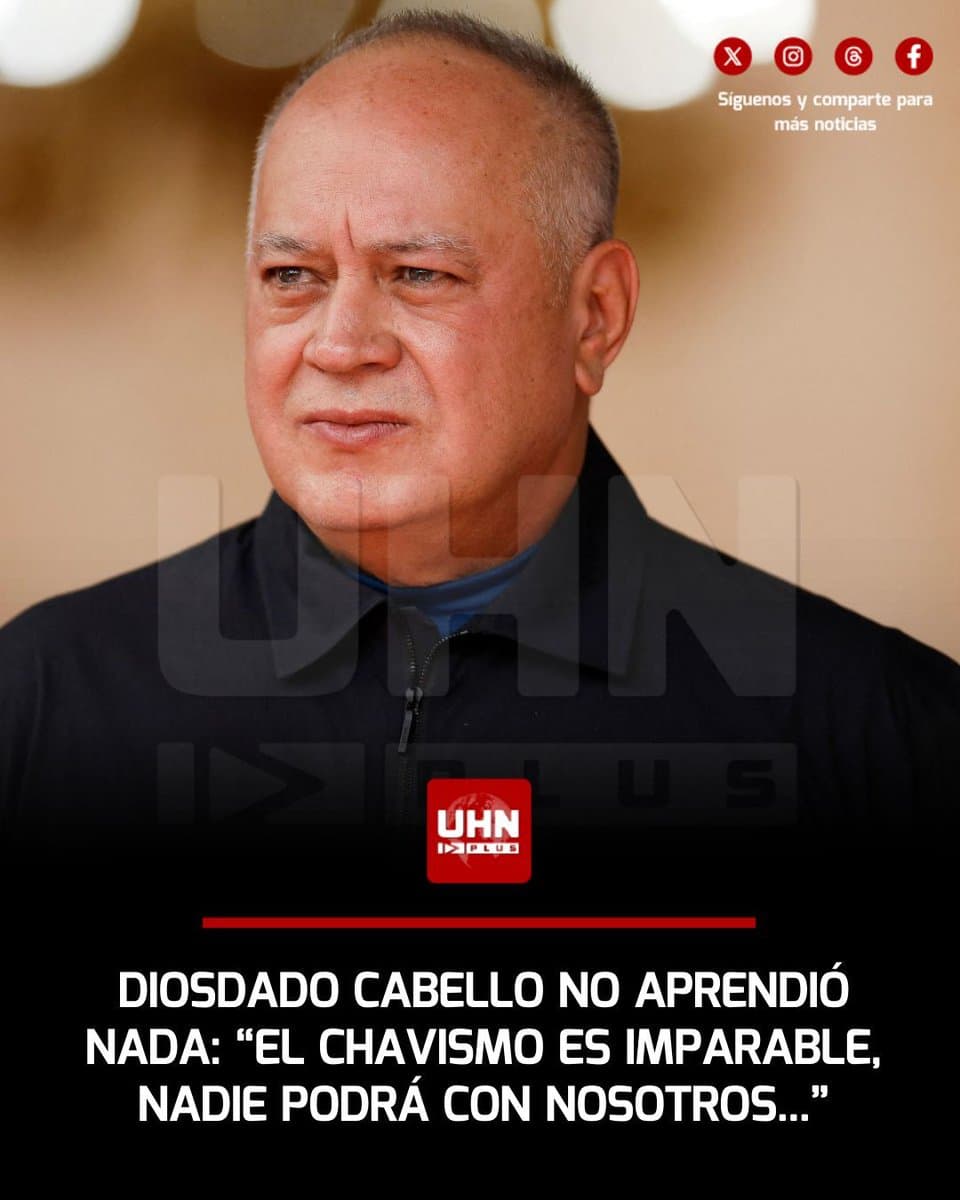
- Diosdado Cabello, one of the most powerful figures in the Chavista apparatus, publicly threatened Donald Trump and the United States, declaring that "our only option will always be to win" — signaling that hardliners intend to resist any political transition.
- Delcy Rodríguez, acting in a leadership capacity, dismissed General Vladimir Padrino López as Minister of Defense on March 18, 2026. Padrino López had held the position for over a decade and was a central pillar of the Maduro regime. The U.S. had previously placed him on lists for corruption and narcotrafficking.
- The U.S. has simultaneously escalated pressure on Mexico, Colombia, and Cuba, suggesting a broader regional strategy that extends well beyond Venezuelan borders.
- Reports indicate several countries in the region are evaluating defensive nuclear capabilities, adding a tail-risk dimension to the crisis.
The timing carries cultural weight: Venezuela had just won the 2026 World Baseball Classic on March 17, defeating the United States 3-2 in a historic final played in Miami. The victory — Venezuela's first WBC title ever, sealed by a clutch hit in the ninth inning — ignited a wave of nationalist pride among Venezuelans at home and in the diaspora. Trump himself commented on the result, jokingly suggesting Venezuela could become the 51st U.S. state. That remark now reads very differently in light of the military operation.
What prediction markets are saying about Maduro's capture
Prediction markets have reacted sharply. On Polymarket and adjacent platforms, contracts related to Venezuelan regime change have surged. Key market movements observed:
- Maduro removed from power by end of Q2 2026: Trading at approximately 85–90% probability (up from an estimated 35% two weeks prior).
- Free elections in Venezuela before 2027: Estimated at 40–50% probability, reflecting deep uncertainty about what comes after Maduro.
- U.S. military intervention in another LATAM country in 2026: Estimated at 25–30%, driven by explicit threats against Mexico, Colombia, and Cuba.
- Venezuelan oil production disruption exceeding 30 days: Trading near 60% as the political vacuum creates operational uncertainty for PDVSA.
On Predik, LATAM-focused traders are particularly active on regional contagion scenarios, sanctions-related markets, and petro-state instability contracts.
Scenarios and probabilities
- Base scenario (50–55%): Maduro remains in U.S. custody. A transitional government forms in Caracas led by remaining Chavista moderates — possibly including Delcy Rodríguez — negotiating with the opposition under international mediation. Oil markets experience moderate disruption (2–4 weeks). Regional tensions stay elevated but contained, with no further military action against Mexico or Colombia.
- Bull scenario (20–25%): Maduro's capture catalyzes a rapid democratic transition. The opposition gains power, sanctions are progressively eased, and foreign investment flows into Venezuela's oil sector. LATAM markets rally on reduced geopolitical risk. Prediction market contracts on Venezuelan stability resolve positively, rewarding early bulls.
- Bear scenario (20–25%): Hardliners led by Cabello refuse to negotiate, triggering internal armed conflict or a prolonged standoff. PDVSA operations collapse, sending oil prices higher globally. The U.S. escalates pressure on Cuba, Colombia, or Mexico, creating a multi-front regional crisis. Prediction markets on LATAM stability crash, and contagion spreads to broader emerging market assets and crypto pairs.
Impact on prediction markets
The Maduro capture is a textbook example of a low-probability, high-impact event that prediction markets struggled to price in advance. Several dynamics deserve attention from traders:
First, the speed of probability repricing on Polymarket shows that political risk in LATAM was significantly underpriced. Contracts that sat at 30–40% just days ago have jumped to 85–90%, generating massive returns for early position holders and painful losses for those who faded the risk.
Second, the Padrino López dismissal by Rodríguez signals an internal power struggle that markets have not yet fully digested. If the Chavista apparatus fractures — with moderates breaking from Cabello's hardline faction — the probability of a peaceful transition increases meaningfully, and current market prices may still undervalue that path.
Third, watch for secondary effects. Venezuelan oil supply disruptions could trigger knock-on movements in energy markets, while U.S. threats against Mexico, Colombia, and Cuba create correlated risk across multiple LATAM prediction contracts simultaneously. Portfolio diversification within LATAM geopolitical markets may offer less protection than traders expect.
Risks and what would invalidate this thesis
- Information fog: Operational details about the capture remain incomplete. If reports prove exaggerated or if Maduro retains proxy influence, the regime change narrative could reverse sharply, causing violent snapbacks in prediction market prices.
- Cabello consolidation: Diosdado Cabello has deep ties to the military and intelligence services. If he consolidates power and maintains regime continuity despite Maduro's absence, markets betting on democratic transition will lose.
- U.S. domestic political constraints: The 2026 U.S. midterm cycle could limit the Trump administration's appetite for sustained LATAM engagement, leaving the transition incomplete and markets in extended limbo.
- Regional escalation beyond Venezuela: If the U.S. acts on threats against Mexico, Colombia, or Cuba, the geopolitical picture becomes exponentially more complex, and Venezuela-specific contracts may become secondary to broader LATAM instability.
- Nuclear posturing: Reports that several nations are evaluating defensive nuclear capabilities introduce a tail risk that is essentially unquantifiable in current prediction market frameworks.
FAQ
Has Maduro actually been captured by U.S. forces? Multiple sources as of March 2026 report a transnational U.S. military operation resulting in Maduro's detention. The situation remains fluid, with official details still developing.
What happens to Venezuela's government now? Delcy Rodríguez appears to be exercising executive authority, having already dismissed Defense Minister Padrino López on March 18. A power struggle between moderate Chavistas and hardliners led by Diosdado Cabello is underway.
How does this affect prediction markets on LATAM stability? Prediction markets on Venezuelan regime change have surged to 85–90% probability. Related markets on regional stability, oil disruptions, and potential U.S. military action in other countries are seeing significant volume increases and rapid repricing.
Sources
- OopsGuess — Geopolitical Analysis on X
- Polymarket — Prediction Markets
- DW Español — International News Coverage
Track markets like this in real time on Predik.