Japan, the BoJ, and the 2026 Crypto Market Crisis: How the End of Yield Curve Control Could Trigger a Global Crash
The Bank of Japan released worse-than-expected macro data on March 10, 2026, and speculation is growing that it will abandon decades of Yield Curve Control (YCC) to defend the yen. The last time Japan adjusted its yield policy in August 2024, it caused a global flash crash. Prediction markets on Polymarket and Kalshi are already pricing in rising odds of a global recession and emergency Fed rate cuts — a Japanese crisis could spike those probabilities and trigger mass crypto liquidations similar to the $175M wiped out during the Iran escalation.
Bank of Japan Crisis 2026: Could the End of Yield Curve Control Crash Crypto and Global Markets?
On March 10, 2026, the Bank of Japan (BoJ) announced an emergency monetary statement revealing worse-than-expected economic data. Markets are now pricing in a potential full abandonment of Yield Curve Control (YCC), a policy that has anchored Japanese — and by extension global — bond markets for over a decade. If the BoJ follows through, the capital repatriation wave could trigger a crash across equities, bonds, and crypto simultaneously.
For LATAM and crypto-native traders, this is not abstract macro theory. The last time Japan adjusted its yield curve policy — in August 2024 — the Nikkei dropped over 12% in a single session, the yen carry trade unwound violently, and Bitcoin fell 8% within hours. Prediction markets are already reflecting elevated risk, and understanding the mechanics here could be the difference between positioning early and getting liquidated.
What happened and why it matters
On the evening of March 10, 2026, the BoJ released an emergency monetary statement at 10:00 PM ET, announcing updated interest rate guidance and an economic outlook report. The data painted a grim picture: Japan's 30-year bond yield had already hit a record 3.18% in mid-2025, reflecting a structural shift toward policy normalization. The BoJ owns over 50% of the entire Japanese Government Bond (JGB) market, meaning that for years, price signals have been distorted by massive central bank intervention.
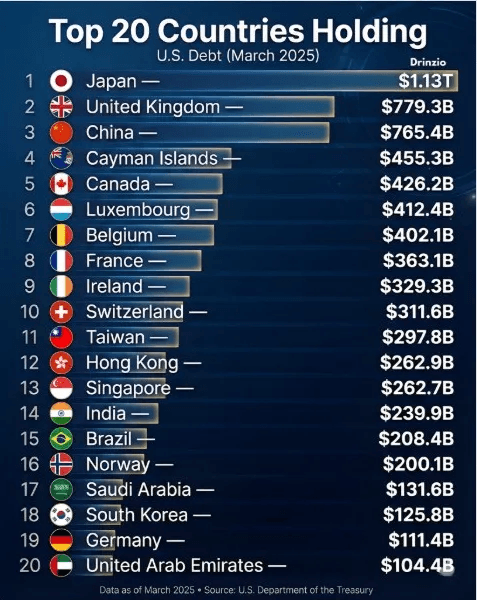
Now the BoJ faces an impossible trilemma: defend the yen (which requires tighter policy), stabilize bond markets (which requires looser policy), or maintain economic growth (which requires stimulus). Analysts warn that as the BoJ retreats from YCC, Japanese financial institutions will be forced to repatriate capital from overseas holdings — primarily U.S. Treasuries, European bonds, and risk assets. Japan is the largest foreign holder of U.S. debt, and a forced selloff could send shockwaves through global fixed income markets.
Adding to the global pressure, 32 countries coordinated the release of 400 million barrels of oil from strategic reserves in early March 2026 — the largest such release in history — following the blockade of the Strait of Hormuz. This geopolitical instability is compounding the macro stress emanating from Tokyo.
What prediction markets are saying
Prediction markets are already reflecting elevated systemic risk. On Polymarket, contracts on "U.S. Recession in 2026" have seen volumes climb significantly since the BoJ announcement, with implied probability hovering around 35-40% (estimated). Kalshi markets on "Emergency Fed Rate Cut Before July 2026" are trading in the 25-30% range (estimated), up from roughly 15% a week ago.
There are no direct BoJ-specific contracts on major prediction platforms yet, but the secondary effects — global recession probability, Fed policy response, and crypto crash markets — are all pricing in the Japan risk. On Predik, traders tracking these correlated markets can position across multiple outcomes simultaneously.
Some analysts have drawn parallels to the 1998 LTCM crisis, when a systemic liquidity event cascading from Asian markets nearly brought down the global financial system. Prediction market traders should note that tail-risk events like these often see probability spikes that overshoot before correcting — creating both danger and opportunity.
Scenarios and probabilities
- Base scenario (50% estimated): The BoJ gradually adjusts YCC bands rather than abandoning the policy outright. Markets experience elevated volatility for 2-4 weeks, with Bitcoin pulling back 10-15% before stabilizing. Carry trade unwind is orderly. Prediction markets on global recession stay in the 30-40% range.
- Bull scenario (20% estimated): The BoJ manages expectations successfully, coordinates with the Fed and ECB for liquidity backstops, and the yen stabilizes without a disorderly capital flow. Crypto recovers quickly as the crisis narrative fades. Risk-on assets rally on relief. Recession odds drop below 25%.
- Bear scenario (30% estimated): Full YCC abandonment triggers a disorderly yen carry trade unwind. Japanese institutions dump $200B+ in foreign assets over weeks. U.S. Treasury yields spike, equities enter correction territory, and crypto sees a flash crash with $150M+ in liquidations in a single day. Recession probability on Polymarket surges above 55%. The Fed is forced into an emergency rate cut, similar to the playbook feared during the August 2024 episode.
Impact on prediction markets
A BoJ-driven crisis would ripple through prediction markets in several ways. First, global recession contracts would see the most direct impact — any disorderly unwind from Japan mechanically increases the odds of a worldwide slowdown. Second, Fed policy markets would reprice rapidly: if Treasury yields spike due to Japanese selling, the Fed may be forced to cut rates or restart QE, dramatically shifting the probability curves on rate decision contracts.
For crypto-specific prediction markets, the correlation risk is significant. During the August 2024 Japan-driven flash crash, Bitcoin dropped alongside the Nikkei and S&P 500 in a correlated selloff. Leveraged positions are especially vulnerable — the $175 million in crypto liquidations during the Iran attack in 2024 shows how fast cascading liquidations can move. Traders on Predik should watch for sudden probability jumps in recession and rate cut markets as leading indicators of crypto stress.
One interpretation risk to flag: prediction market odds on "recession" often reflect short-term panic rather than fundamental probability. During the August 2024 event, recession odds spiked above 50% on some platforms before reverting to the low 20s within two weeks. Position sizing matters.
Risks and what would invalidate this thesis
- Coordinated central bank response: If the BoJ, Fed, and ECB announce coordinated liquidity facilities or swap lines, the disorderly unwind scenario becomes much less likely. This was the playbook used in March 2020 and would significantly reduce tail risk.
- Gradual YCC adjustment rather than abandonment: The BoJ could simply widen the yield band again (as it did in December 2022 and July 2023) rather than fully dropping YCC. This would create volatility but avoid a systemic event.
- Yen stabilization through intervention: Japan's Ministry of Finance has over $1 trillion in foreign reserves and has shown willingness to intervene directly in currency markets. Effective FX intervention could reduce the pressure to fully abandon YCC.
- Market overreaction to verbal signals: As observed in mid-2025, Japan's 30-year yield fell back below 3% on verbal intervention alone — no actual policy change. The current panic may similarly resolve through communication rather than action.
FAQ
What is Yield Curve Control and why does its end matter for crypto? YCC is a Bank of Japan policy where the central bank targets specific bond yields by buying unlimited quantities of government bonds. Its end would force Japanese institutions to sell foreign assets (including risk assets) to repatriate capital, creating selling pressure across all markets including crypto.
How did the August 2024 Japan crash affect Bitcoin? When the BoJ adjusted its yield policy in August 2024, the Nikkei crashed over 12%, the yen carry trade unwound, and Bitcoin dropped roughly 8% in hours. Over $175M in crypto positions were liquidated during a similar global risk-off event that year.
What should prediction market traders watch as leading indicators? Key signals include: the USD/JPY exchange rate (a rapid yen strengthening suggests carry trade unwind), U.S. 10-year Treasury yields (spikes indicate Japanese selling), Polymarket recession contract volumes, and crypto funding rates (negative rates signal leveraged long liquidations ahead).
Sources
- Polymarket — Prediction Markets
- CryptoNobler on X — BoJ Emergency Statement Coverage
- Bloomberg — Bank of Japan Policy Coverage
Track markets like this in real time on Predik.