China's Zero Tariffs for Africa: How It Impacts LATAM Commodities and Prediction Markets in 2026
China announced zero tariffs on 100% of imports from 53 African nations starting May 1, 2026. This move reshapes global commodity flows and directly threatens LATAM exporters in agriculture and mining. Here's what prediction market traders need to know about oil, soybeans, copper, and the escalating US-China trade war.
China Zero Tariffs for Africa: What It Means for LATAM Commodities and Prediction Markets
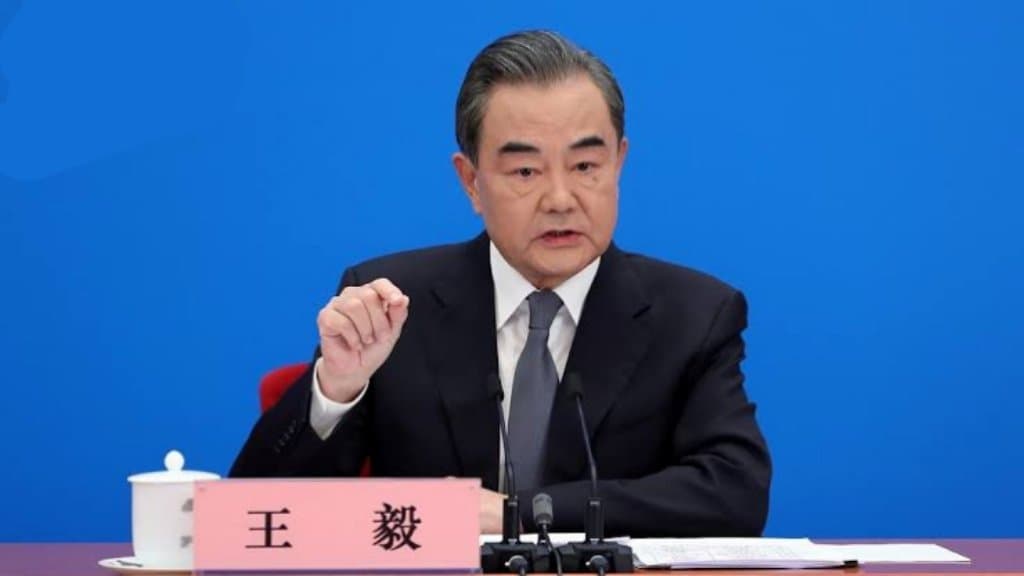
Starting May 1, 2026, China will impose zero tariffs on 100% of imports from 53 African countries that maintain diplomatic relations with Beijing. This landmark trade policy, announced by Foreign Minister Wang Yi, directly impacts LATAM commodity exporters — particularly Brazil, Argentina, and Chile — by making African agricultural and mining products significantly more competitive in the world's largest import market. Prediction markets on Polymarket tracking US-China trade hegemony and oil prices are already recalibrating.
For LATAM retail and crypto-native traders, this is not just a geopolitical headline — it's a structural shift in commodity pricing that could move markets for soybeans, copper, cobalt, and crude oil ($OIL) through the rest of 2026. While the US escalates military operations in the Middle East and maintains tariffs above 100% on Chinese goods, Beijing is building a parallel trade architecture that bypasses Western frameworks entirely.
What happened and why it matters
On March 9, 2026, Chinese Foreign Minister Wang Yi confirmed that China will extend zero-tariff treatment to all tariff lines for the 53 African nations that hold diplomatic ties with Beijing, effective May 1, 2026. This builds on a December 2024 policy that granted the same treatment to least-developed countries (LDCs) with Chinese diplomatic relations, and expands it to cover all of Africa except Eswatini — the only African nation that recognizes Taiwan.
The numbers are staggering. Africa exported approximately $117 billion in goods to China in 2025. With tariffs removed entirely, analysts expect that figure to surge 15–25% within 12 months. Key African exports that compete directly with LATAM include: soybeans and oilseeds (competing with Brazil and Argentina), copper and cobalt (competing with Chile and Peru), iron ore (competing with Brazil), and crude oil (competing with Venezuela, Ecuador, and Colombia).
Wang Yi framed the policy with pointed language aimed at Washington: stating that China's adversaries are not other countries but rather war, poverty, and injustice — a position Beijing backs by pointing to 800 million people lifted out of poverty and over 40 years without military conflict. He also directly addressed Latin America, stating that "what Latin American peoples want is to build their own home, not to be anyone's backyard," signaling China's intent to deepen LATAM engagement next.
What prediction markets are saying
On Polymarket, contracts related to US-China trade dynamics have seen notable movement since early March 2026. Markets pricing the probability of a comprehensive US-China trade deal before year-end 2026 sit around 8–12%, reflecting deep skepticism. Meanwhile, contracts on China overtaking the US in total bilateral trade agreements by 2028 have climbed to an estimated 45–52% probability — up roughly 7 points since the Africa announcement.
Oil-related prediction markets ($OIL) are particularly active. With the US conducting military operations in the Middle East and China securing African crude supply chains at zero tariffs, Brent crude prediction markets show elevated volatility. Contracts pricing oil above $85/barrel by Q3 2026 sit at approximately 38%, while contracts on oil below $70 are around 22%, reflecting the push-pull of supply disruption versus demand-side realignment.
On Predik, LATAM-focused traders are watching commodity price contracts and regional trade alignment markets closely. The platform offers real-time exposure to these geopolitical shifts in ways traditional brokerages cannot.
Scenarios and probabilities
- Base scenario (55% estimated probability): African exports to China increase 15–20% within 12 months. LATAM commodity exporters see moderate price pressure on soybeans (-5 to -8%) and copper (-3 to -5%) as African supply becomes more competitive. Oil markets remain range-bound ($72–$86) as Middle East tensions offset new African supply channels. China continues expanding zero-tariff frameworks to additional partners, including select LATAM nations like Venezuela (which already secured a zero-tariff deal in late 2025).
- Bull scenario for LATAM (20% estimated probability): China extends zero-tariff treatment to key LATAM partners (Brazil, Argentina) within 6–9 months, creating a net positive for the region. LATAM commodity prices stabilize or rise as Chinese demand absorbs both African and Latin American supply. Oil spikes above $90 on Middle East escalation, benefiting LATAM petroleum exporters.
- Bear scenario for LATAM (25% estimated probability): African commodities significantly undercut LATAM producers in the Chinese market. Brazilian soybean exports to China decline 10–15%. Chilean copper faces pricing pressure from Congolese and Zambian competition. The US retaliates against LATAM nations that deepen ties with China, creating a lose-lose squeeze. Oil drops below $65 on global demand fears.
Impact on prediction markets
This policy shift creates several tradeable narratives on prediction platforms. First, the probability of US trade hegemony — defined as the US maintaining more bilateral trade volume than China globally — is declining. Prediction markets reflect this with China-hegemony contracts trending upward. Traders should watch for contract mispricing: many Polymarket participants still anchor to pre-2026 assumptions about US trade dominance that no longer reflect the velocity of China's expansion.
Second, commodity-specific prediction markets will be directly affected. If you are long on Brazilian soybean export volumes to China, the Africa zero-tariff policy is a headwind. Conversely, contracts on total Chinese import volume are likely to resolve higher, as zero tariffs stimulate aggregate trade.
Third, $OIL prediction markets face a unique dynamic: Chinese zero tariffs on African crude create a structural incentive for Beijing to diversify away from Middle Eastern oil, which could dampen the geopolitical risk premium that currently supports higher prices. However, US military activity in the region works in the opposite direction. This tension makes oil prediction markets particularly attractive for traders who can model both supply and geopolitical variables.
Risks and what would invalidate this thesis
- China reverses or delays implementation: If domestic political or economic pressures force Beijing to scale back the May 1 deadline, the competitive threat to LATAM diminishes. Watch for signals from China's State Council or Ministry of Commerce.
- US offers LATAM a counter-deal: If Washington responds with its own preferential trade framework for Latin America — reducing the current 15%+ tariffs on key LATAM exports — the competitive landscape shifts. Currently, European observers note the EU itself faces asymmetric tariffs with the US (0% EU vs. 15% US on many goods), making a US-LATAM deal politically complex.
- African supply fails to scale: Infrastructure bottlenecks in African ports, logistics, and production capacity could limit the actual volume increase, reducing the competitive threat to LATAM. Many African commodity sectors lack the scale of Brazilian agribusiness or Chilean mining operations.
- Middle East escalation disrupts global shipping: If US military operations expand significantly, shipping route disruptions could affect African exports to China more than LATAM routes, partially neutralizing the tariff advantage.
FAQ
When do China's zero tariffs on African imports take effect? The zero-tariff policy for 53 African nations takes effect on May 1, 2026, covering 100% of tariff lines for countries with diplomatic relations with Beijing.
Which LATAM commodities are most at risk from the Africa zero-tariff policy? Soybeans and oilseeds (Brazil, Argentina), copper and cobalt (Chile, Peru), iron ore (Brazil), and crude oil (Venezuela, Ecuador, Colombia) face the most direct competition from African exporters gaining tariff-free access to China.
Has China offered zero tariffs to any LATAM countries? Yes. China and Venezuela finalized a zero-tariff commercial agreement in late 2025, opening China's 1.4 billion-consumer market to Venezuelan products. Analysts expect similar offers to other LATAM nations in 2026–2027.
How can I trade these macro shifts on prediction markets? Platforms like Predik, Polymarket, and Kalshi offer contracts on US-China trade outcomes, commodity prices, oil benchmarks, and geopolitical events. Predik is specifically designed for LATAM traders seeking real-time exposure to these markets.
Sources
- Polymarket — US-China trade and commodity prediction markets
- Geopolitical analysis and China trade policy coverage
- Predik — LATAM prediction markets platform
Track markets like this in real time on Predik.