Ethereum Foundation Sells 60,999 ETH to BitMine via OTC and Stakes $46.2M — Prediction Markets Eye a BTC-to-ETH Rotation in 2026
The Ethereum Foundation executed a massive 60,999 ETH OTC sale to BitMine and is accelerating a 70,000 ETH staking plan with $46.2 million deployed across 11 deposits. Meanwhile, prediction markets on Polymarket show a 59% probability that ETH gets flipped by market cap in 2026, as traders debate whether capital will rotate from Bitcoin to Ethereum as a productive yield-generating asset in Q2.
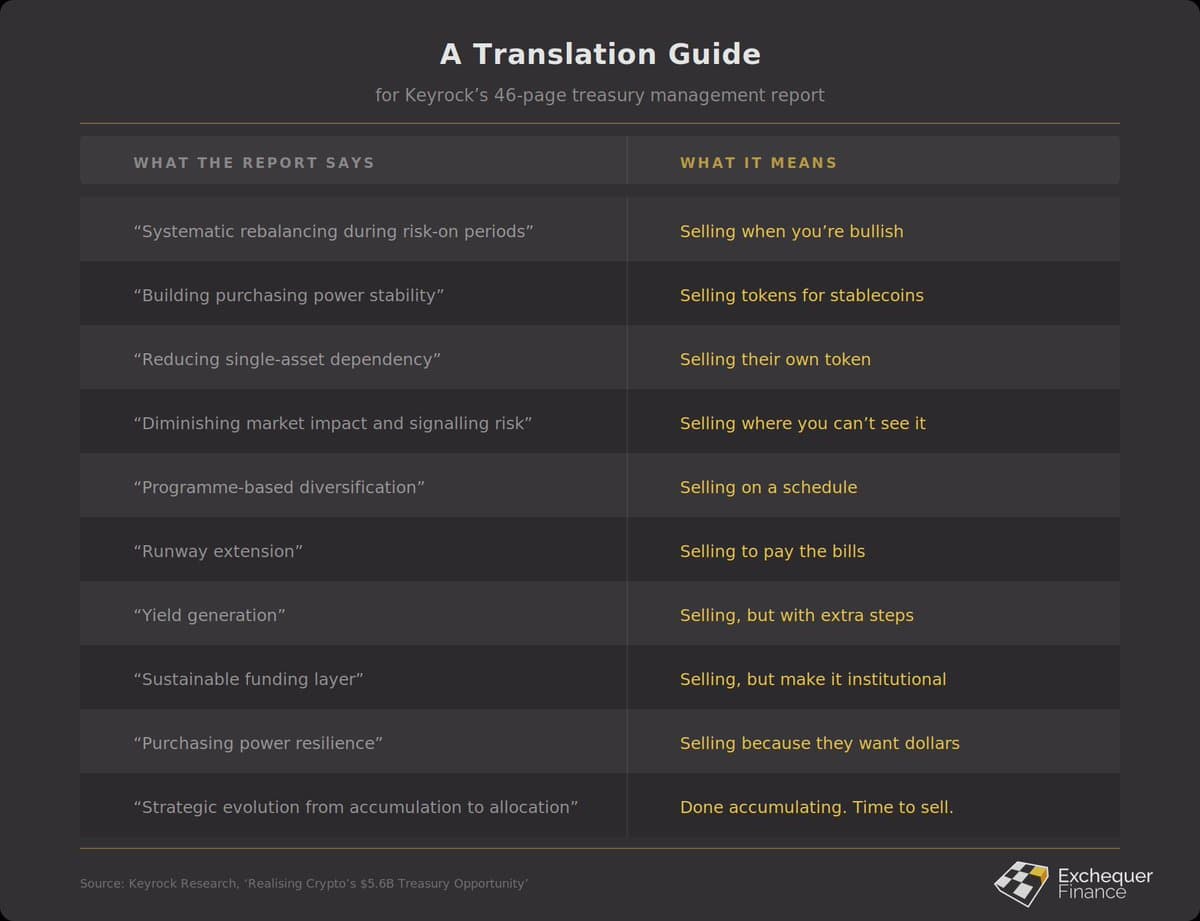
Ethereum Foundation OTC Sale to BitMine and the Growing BTC-to-ETH Rotation Thesis in 2026
The Ethereum Foundation completed a landmark OTC sale of 60,999 ETH to BitMine and is now accelerating a 70,000 ETH staking plan, deploying $46.2 million across 11 on-chain deposits. This strategic shift—from treasury liquidation to on-chain yield generation—comes as prediction markets price in a 59% probability that ETH will be flipped by market cap in 2026, while traders debate a potential rotation from Bitcoin ($66,000) to Ethereum ($3,210) as a productive asset.
For LATAM retail traders and crypto-native participants, this moment is critical. The Ethereum Foundation's pivot toward staking yield over spot selling represents a fundamental change in how the largest Ethereum entity manages its treasury. Combined with institutional moves—Strategy's $44 billion in capital raises for Bitcoin, Morgan Stanley's spot BTC ETF filing, and private on-chain credit crossing $3 billion—the stage is set for a significant reshuffling of capital between the two largest crypto assets in Q2 2026.
What happened and why it matters
In late March 2026, the Ethereum Foundation executed an OTC sale of 60,999 ETH to BitMine, a publicly traded company that now holds 4.66 million ETH in staked positions. The average sale price was approximately $2,042 per ETH, well below the current spot price near $3,210—suggesting the deal was structured at a discount, likely negotiated weeks or months in advance.
Following the sale, the Foundation moved aggressively to stake its remaining ETH holdings. It deployed $46.2 million across 11 separate staking deposits as part of an accelerated 70,000 ETH staking target. This marks a decisive shift: rather than selling ETH on the open market (a practice that drew consistent criticism from the community), the Foundation is now generating yield on-chain. Industry data shows that approximately 43% of crypto treasury managers now execute sales through OTC desks to avoid visible spot market pressure.
On the institutional side, the landscape is rapidly evolving. Strategy (formerly MicroStrategy) added 22,337 BTC worth $1.57 billion and filed $44 billion in capital raise plans. Morgan Stanley has entered the spot Bitcoin ETF race. Yet the ETH side is catching up fast, with BitMine's massive staked position and the Foundation's new yield-first strategy signaling institutional conviction in Ethereum's productive asset thesis.
What prediction markets are saying about the ETH rotation
On Polymarket, bettors are pricing a 59% probability that Ethereum will be "flipped" by market cap for the second-largest cryptocurrency position in 2026—with Tether's USDT considered a prime candidate to overtake ETH. This market reflects deep uncertainty about Ethereum's near-term positioning despite its strong fundamentals.
Kalshi and Polymarket both maintain active markets on ETH price targets and the ETH/BTC ratio. The current ETH/BTC ratio sits near 0.0486, and traders are positioning for a potential widening if institutional capital rotates from Bitcoin into Ethereum during Q2. The thesis: Ethereum is a "productive asset" that generates staking yield (currently around 3.5% annually), while Bitcoin and gold are non-productive stores of value. Historically, productive assets have outperformed non-productive ones over multi-year horizons.
Scenarios and probabilities
- Base scenario (50% estimated probability): ETH trades sideways between $2,800 and $3,500 through Q2 2026. The Foundation's staking pivot stabilizes sell pressure, but the flippening threat from stablecoins and competition from Solana and other L1s cap upside. The ETH/BTC ratio stays flat near 0.05.
- Bull scenario (25% estimated probability): Institutional rotation accelerates. BitMine's 4.66M staked ETH and the Foundation's yield strategy attract copycat institutional allocations. ETH breaks above $4,000 by June 2026, the ETH/BTC ratio climbs to 0.065+, and prediction market odds of an ETH flippening drop below 40%.
- Bear scenario (25% estimated probability): The flippening concern materializes as USDT or another asset overtakes ETH in market cap. The Foundation's OTC sale is interpreted as a loss of confidence, ETH drops below $2,500, and the ETH/BTC ratio falls to 0.035. Prediction markets price ETH flippening probability above 70%.
Impact on prediction markets
The Ethereum Foundation's OTC sale and staking pivot create a complex signal for prediction market participants. On one hand, the shift to yield generation suggests the Foundation is playing a longer game—bullish for ETH holders. On the other hand, the 59% flippening probability on Polymarket reflects genuine concern about Ethereum's competitive position relative to fast-growing stablecoins.
Traders should watch for divergence between ETH price markets and flippening probability markets. If ETH price rises while flippening odds stay elevated, it could indicate that the market expects Ethereum's absolute value to grow but its relative dominance to decline—a nuanced position that many retail traders may misinterpret. The OTC sale at $2,042 also establishes a potential institutional floor price that prediction market models should incorporate.
Risks and what would invalidate this thesis
- Regulatory crackdown on ETH staking: If U.S. or EU regulators classify staking yields as securities, the productive asset thesis collapses and institutional allocators exit ETH positions rapidly.
- USDT market cap surge: Tether's USDT is already the prime candidate for flippening ETH. A surge in stablecoin demand during a risk-off environment could push USDT past ETH by market cap, triggering negative sentiment cascades.
- BitMine concentration risk: With 4.66 million ETH staked, BitMine represents a significant concentration in Ethereum's validator set. Any financial distress at BitMine could force large-scale unstaking and selling, creating severe downward pressure on ETH price.
- Bitcoin dominance acceleration: If Strategy's $44 billion capital raise and Morgan Stanley's ETF filing drive a Bitcoin supercycle, capital may flow toward BTC rather than rotating into ETH, invalidating the rotation thesis entirely.
FAQ
Why did the Ethereum Foundation sell ETH via OTC instead of on the open market? OTC sales avoid visible spot market pressure and community backlash. Approximately 43% of crypto treasury managers now use OTC desks for the same reason. The Foundation's previous public sales consistently drew heavy criticism from the community.
What does it mean that Ethereum is a "productive asset"? Unlike Bitcoin or gold, staked ETH generates yield—currently around 3.5% annually. This makes ETH comparable to dividend-paying equities or bonds, which historically outperform non-yield-bearing assets over long periods.
What is the Polymarket ETH flippening market? Polymarket bettors assign a 59% probability that Ethereum will lose its position as the second-largest cryptocurrency by market cap in 2026. USDT (Tether) is considered the most likely candidate to overtake ETH, reflecting concerns about stablecoin growth versus Ethereum network challenges.
Sources
Track markets like this in real time on Predik.