World Cup 2026 Betting FOMO on Polymarket: Why Emotional Traders Are Losing Money Fast
With the 2026 World Cup underway, traders warn that football prediction markets have turned 'highly emotional.' Many retail users pile into Polymarket on FOMO and lose money quickly, while a few flaunt parlays that turned $15 into $44. Here is the psychology of retail betting during mega sporting events, the gambler's bias, and why sitting out is sometimes the smartest move.
World Cup 2026 Betting FOMO on Polymarket: What Retail Traders Need to Know
World Cup 2026 betting FOMO on Polymarket is real: as the tournament unfolds across North America, traders are warning that football prediction markets have become 'highly emotional,' and that many newcomers who enter on impulse lose money fast. The simplest edge for most retail users right now is knowing when not to bet at all.
This matters for LATAM because the 2026 World Cup opened on June 11 in Mexico City and has captured massive regional attention. For crypto-native and first-time prediction-market users, a packed sporting calendar plus social-media hype is a textbook setup for FOMO-driven losses — exactly the behavior Predik wants its audience to recognize before they fund a position.
What happened and why it matters
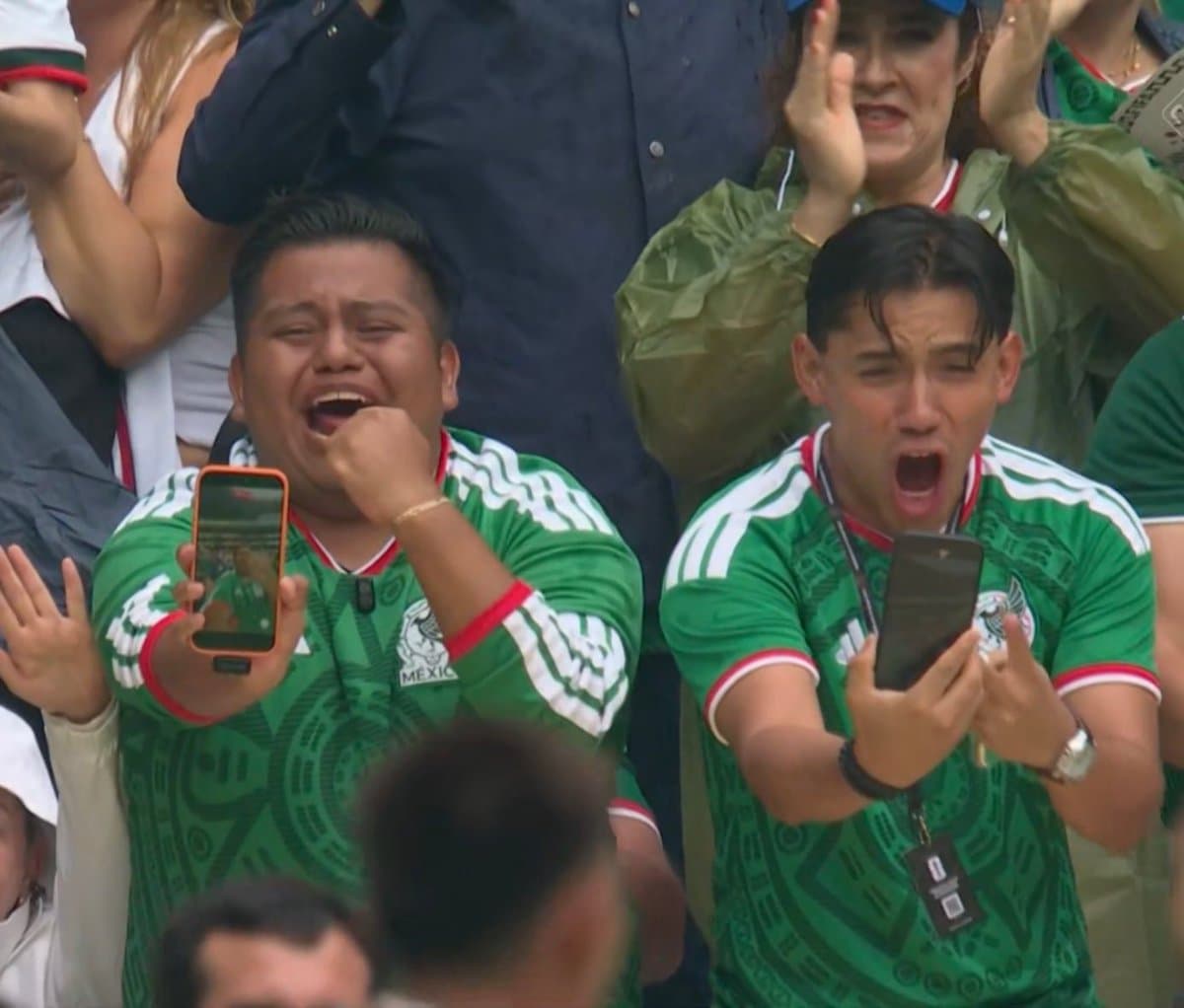
The 2026 FIFA World Cup kicked off on June 11, 2026, with Mexico beating South Africa 2-0 at the Estadio Ciudad de México (goals from Raúl Jiménez among them). Of the tournament's 104 matches, 92 are airing on free-to-air TV in some markets, fueling unusually broad public engagement. With that attention comes betting hype: some social posts show retail bettors targeting aggressive profit goals (one claimed a target of 50,000 pesos in tournament profit), while others flaunt small parlays — for example turning roughly $15 into $44. At the same time, experienced traders are flagging that football prediction markets feel 'highly emotional,' with many people entering on FOMO and losing money quickly.
What prediction markets are saying about World Cup 2026 betting FOMO
Polymarket (polymarket.com) hosts active markets on World Cup outcomes — tournament winner, group qualification, and individual match results. Specific live odds shift constantly during matches, so any single number is stale within minutes. Based on the structure of these markets and pre-tournament favorites, our estimated read is that a small group of perennial favorites collectively carry the bulk of the 'winner' probability, while most individual long-shot and parlay bets sit at low implied odds — which is precisely why splashy parlay screenshots (small stake, large payout) are the visible exception, not the norm.
Scenarios and probabilities
- Base scenario: Football prediction-market volume stays elevated through the knockout rounds, and the majority of impulse, parlay-style retail bets lose — consistent with how long-odds combinations resolve over time. Estimated probability: ~65%.
- Bull scenario: Disciplined traders who treat markets as probability tools (sizing small, avoiding tilt) come out flat-to-positive, and educational content reduces reckless behavior. Estimated probability: ~25%.
- Bear scenario: A wave of viral parlay wins amplifies FOMO, drawing in inexperienced users who over-stake during high-emotion matches and post outsized losses. Estimated probability: ~10%.
Impact on prediction markets
During mega sporting events, prices can move on emotion rather than information. In-play markets reprice second-by-second, so a probability that looks 'cheap' is often just reacting to a momentary swing in a live match. The interpretation risk is treating a market price as a prediction you should chase, rather than as a constantly-updating estimate. The gambler's bias — believing a streak or a 'gut feeling' overrides the odds — gets magnified when your favorite national team is playing and your timeline is full of winning screenshots. Survivorship bias does the rest: losing parlays rarely get posted.
Risks and what would invalidate this thesis
- Live odds change far faster than any article; treat all numbers here as point-in-time estimates, not live quotes.
- A clustering of genuine, repeatable parlay wins would weaken the 'most impulse bets lose' framing — though variance, not skill, is the usual explanation for short-run wins.
- Regulatory or platform changes (access restrictions, market suspensions, or liquidity shifts in specific regions) could alter how LATAM users participate.
FAQ
What is FOMO betting on the World Cup? It is entering a market because of fear of missing out — chasing hype, viral wins, or a live match's momentum — rather than a considered view of the probability. It is a leading cause of fast retail losses.
Why do parlays look so profitable on Polymarket? Combined (parlay-style) bets multiply long odds into eye-catching payouts, like $15 into $44, but the probability of all legs hitting is low. Big winners get screenshotted; the far more common losses do not.
When is the best decision not to bet? When you are betting on emotion, can't explain why the current price is wrong, are trying to recover a loss, or your favorite team is playing and judgment is compromised. Sitting out is a valid, often optimal, position.
Sources
Track markets like this in real time on Predik.