Italy FIGC Triple Resignation: Gattuso, Buffon and Gravina Out — Betting Odds for the New Manager After 2026 World Cup Elimination
Italy's football federation confirmed the simultaneous exits of head coach Gennaro Gattuso, delegation chief Gianluigi Buffon and FIGC president Gabriele Gravina after missing a third straight World Cup. Prediction markets are now pricing the race for the next Azzurri manager, with Conte, Allegri and De Rossi leading the odds, plus growing skepticism about Italy reaching the 2030 tournament.
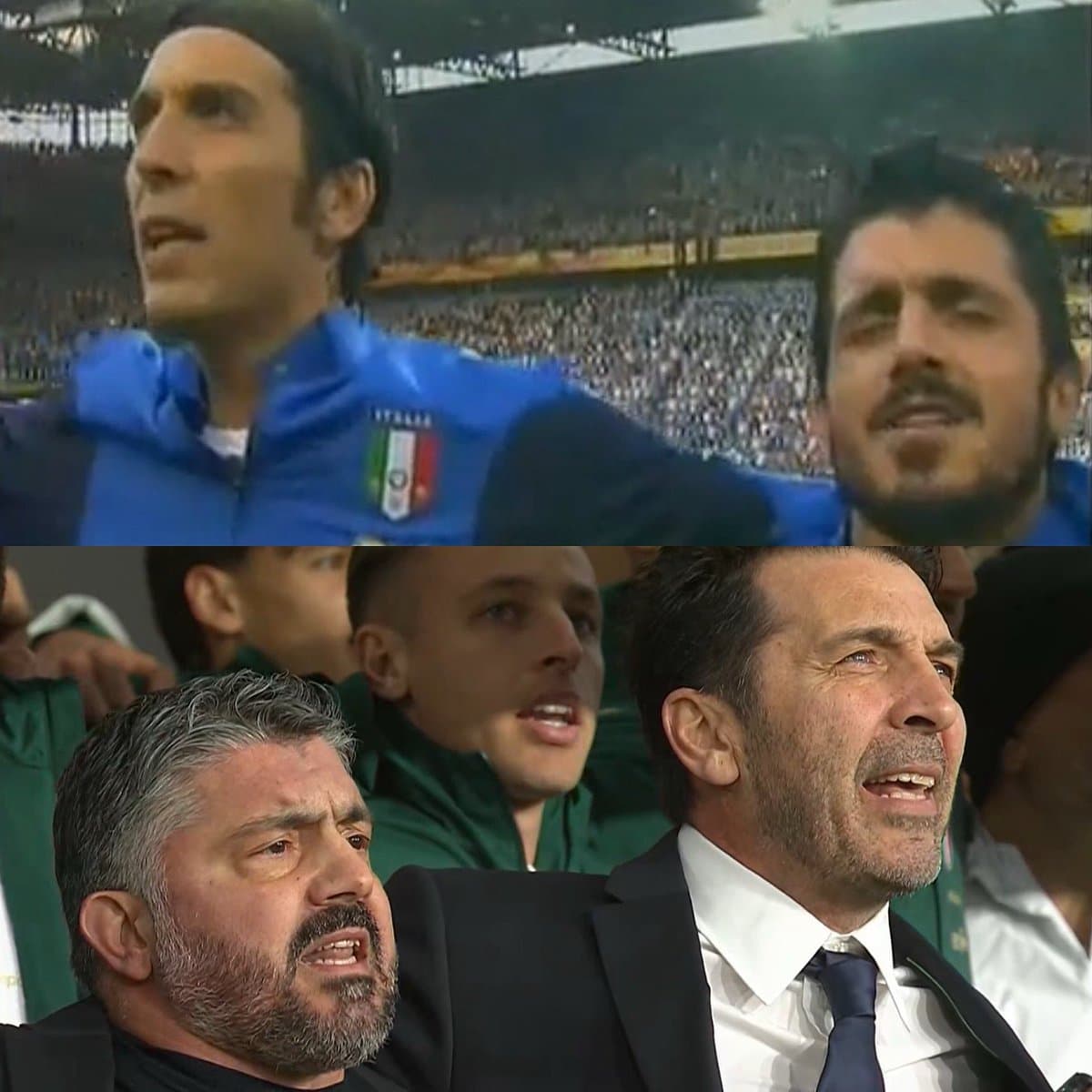
Italy Gattuso, Buffon and Gravina resignations: betting odds for the new Azzurri manager
The Italian Football Federation (FIGC) confirmed three simultaneous resignations after Italy was eliminated by Bosnia and Herzegovina in the 2026 World Cup playoff: head coach Gennaro Gattuso, delegation chief Gianluigi Buffon and federation president Gabriele Gravina are all out. Prediction markets have already opened lines on the next manager and on whether Italy will qualify for the 2030 World Cup.
For LATAM retail traders and crypto-native bettors, this is one of the highest-liquidity football governance events of the year: a four-time world champion missing three consecutive tournaments, with institutional turnover that reshapes coaching, sporting direction and federation politics at the same time.
What happened and why it matters
On March 31, 2026, Italy lost to Bosnia and Herzegovina in the World Cup playoff and failed to qualify for the third tournament in a row (2018 vs. Sweden, 2022 vs. North Macedonia, 2026 vs. Bosnia). The Azzurri have not reached the round of 16 of a World Cup in 20 years and have finished 26th (2010) and 22nd (2014) in the editions they did play, before being absent in 2018, 2022 and now 2026.
On April 3, 2026, the FIGC made the cleanup official: Gravina out as president, Gattuso out as head coach, and Buffon out as head of delegation. The decision lands in parallel with a broader institutional crisis: the head of the referees association (AIA) stepped down after a 13-month inhibition, and the referee designator was self-suspended following a notice of investigation with three counts. For a federation that won the World Cup in 2006 with a squad of Buffon, Cannavaro, Pirlo, Totti and Gattuso himself, the symbolism is brutal.
What prediction markets are saying
On Polymarket and adjacent venues, the race for the next Italy manager is being priced around three names. Estimated implied probabilities (no single market is fully liquid yet, so figures are estimates aggregated across books):
- Antonio Conte: ~32% estimated — the market favorite given his international experience with Italy (2014–2016) and his current Serie A profile.
- Massimiliano Allegri: ~24% estimated — viewed as the pragmatic, low-risk pick to stabilize the squad through 2030 qualifiers.
- Daniele De Rossi: ~14% estimated — the generational-change candidate, popular with fans, less proven at international level.
- Field (Ranieri, Pioli, Mancini return, others): ~30% estimated.
On the qualification side, markets pricing "Italy qualifies for the 2030 World Cup" are currently estimated in the 55–62% range — historically low for a tier-one European federation and a clear reflection of three straight failures.
Scenarios and probabilities
- Base scenario (≈55%): FIGC names a high-profile Italian manager (Conte or Allegri) within 6–10 weeks, with a federation reform package attached. Italy enters 2030 qualifying as a top-two seed in its group.
- Bull scenario (≈20%): A clean institutional reset — new president, new sporting director, Conte as manager with full squad control — restores Italy as a top-eight FIFA ranking nation by late 2027.
- Bear scenario (≈25%): Political infighting drags the appointment past summer 2026, an interim coach takes early qualifiers, and the federation crisis spills into UEFA-level scrutiny of refereeing and governance, weighing on the 2030 qualification odds.
Impact on prediction markets
Manager-appointment markets are notoriously thin and headline-driven: a single Fabrizio Romano-style "here we go" can move implied probabilities 20–30 points in minutes. Traders should treat current Conte/Allegri/De Rossi lines as reflections of media narrative rather than confirmed federation intent. Qualification markets (Italy at the 2030 World Cup) are deeper and slower-moving, and tend to anchor on FIFA ranking and draw seeding rather than on manager identity.
Cross-market correlation is also worth watching: the FIGC governance crisis around refereeing and the AIA suspension can drag on UEFA-level reputation odds, which in turn affects markets on Italian clubs in European competitions.
Risks and what would invalidate this thesis
- A surprise appointment outside the top three names (for example a foreign coach or an internal promotion) would reprice the entire manager market.
- An expanded judicial investigation into the FIGC or AIA could trigger UEFA or FIFA intervention, materially shifting the 2030 qualification odds downward.
- Format risk: the 48-team 2030 World Cup with expanded European slots structurally raises Italy's qualification probability and could compress the bear scenario faster than the manager change itself.
FAQ
Who resigned from the Italian Football Federation in April 2026? Head coach Gennaro Gattuso, delegation chief Gianluigi Buffon and federation president Gabriele Gravina, after Italy's playoff loss to Bosnia and Herzegovina on March 31, 2026.
Who are the favorites to be Italy's next manager? Based on current prediction-market estimates, Antonio Conte leads, followed by Massimiliano Allegri and Daniele De Rossi.
How many consecutive World Cups has Italy missed? Three: 2018, 2022 and 2026. The Azzurri have not reached a World Cup round of 16 since their 2006 title.
What are the odds Italy qualifies for the 2030 World Cup? Estimated 55–62% implied probability across prediction venues — low by historical standards for a four-time world champion.
Sources
Track markets like this in real time on Predik.