Crude Oil at $130 by April 2026: Polymarket Odds Hit 51% Amid Iran-US Tensions
Polymarket traders are pricing a 51% probability that crude oil hits $130 per barrel this month, with over $100M in cumulative volume tied to Iran-US conflict markets. Here is what it means for LATAM economies and prediction market traders.
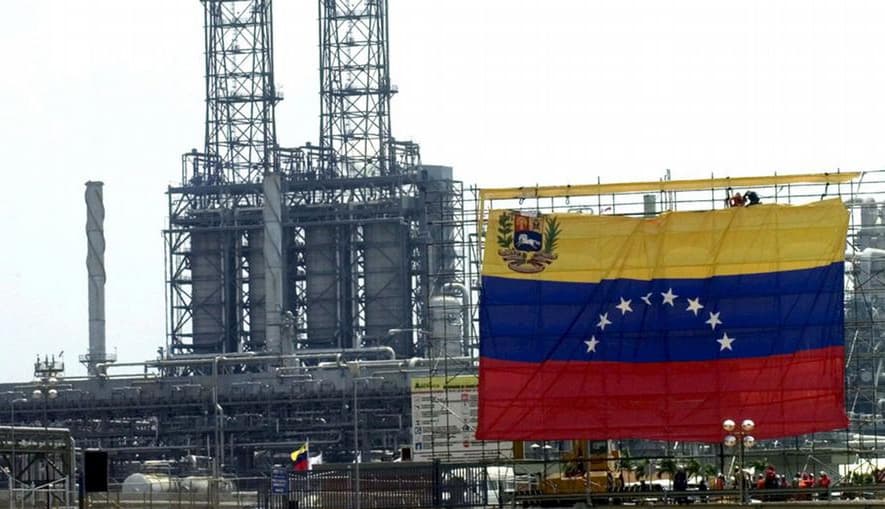
Crude oil at $130 on Polymarket in April 2026: what the odds say
Polymarket is currently pricing a 51% probability that crude oil reaches $130 per barrel this month, with more than $100 million in cumulative volume across markets linked to the Iran-US conflict. For LATAM economies — from exporters like Colombia and Ecuador to net importers like Chile and Argentina — a move of this magnitude would have immediate consequences on inflation, transportation, and energy subsidies.
Prediction market traders are increasingly using these contracts to hedge geopolitical risk in real time. The signal matters because the region's fiscal balance, currency stability, and household budgets are unusually sensitive to crude oil swings in 2026.
What happened and why it matters
On May 18, 2026, Polymarket's contract on whether crude oil will hit $130 per barrel in April 2026 settled around the 51% level. The rally accelerated after WTI jumped more than 4% on May 11, 2026, reaching levels near $100 per barrel, while Brent brushed $105 following the rejection by Washington of Tehran's latest diplomatic response. Cumulative volume across oil and Iran-US conflict markets on Polymarket has surpassed $100 million, making this one of the most liquid commodities clusters on the platform this year.
The price action is already visible in physical markets. Venezuelan crude (Merey 16) averaged $90.47 per barrel in April 2026, its highest level in more than a decade, an increase of $4.55 versus the March close, according to the OPEC monthly report. For Venezuela, OPEC also confirmed output above one million barrels per day, signaling that producers across the region are positioned to capture upside if the rally continues.
What prediction markets are saying
Polymarket's headline contract on $130 crude in April 2026 is trading at roughly 51% (estimated, based on current order book). Adjacent markets — covering Strait of Hormuz disruptions, OPEC+ emergency cuts, and US Strategic Petroleum Reserve releases — have absorbed the bulk of the more than $100 million in cumulative volume. The market structure suggests traders are not betting on a single shock but on a path of compounding tail risks. Kalshi shows comparable contracts skewed slightly more conservative, while Predik is tracking LATAM-specific spillovers such as Colombian peso volatility and Argentine energy subsidies.
Scenarios and probabilities
- Base scenario: Crude oscillates between $95 and $115 per barrel through April 2026, with periodic spikes on headlines but no sustained break above $130. Estimated probability: 55%.
- Bull scenario: Direct military escalation in the Persian Gulf or a Strait of Hormuz incident pushes Brent above $130 within the month, validating Polymarket's current odds. Estimated probability: 30%.
- Bear scenario: A diplomatic de-escalation between Washington and Tehran, combined with OPEC+ production increases, sends crude back below $90 per barrel. Estimated probability: 15%.
Impact on prediction markets
A 51% reading is unusually high for a $130 crude contract with only weeks to expiry, indicating that traders see the binary outcome as a near coin flip rather than a tail event. This compresses risk premia and makes the contract highly reactive to single-headline events. Interpretation risk is significant: the same probability can reflect either genuine conviction or thin liquidity at the upper tail. Traders should monitor depth of book and the spread to adjacent markets — $120 and $140 contracts — to validate the signal before sizing positions.
Risks and what would invalidate this thesis
- A rapid diplomatic breakthrough between the United States and Iran that removes the geopolitical premium from crude prices.
- OPEC+ surprising the market with a coordinated production hike, with Venezuelan output already exceeding one million barrels per day according to OPEC's May report.
- A global growth shock — particularly a sharper-than-expected slowdown in China — that collapses demand expectations independent of supply news.
FAQ
Why is Polymarket pricing $130 crude at 51%? The implied odds reflect a combination of recent price action — WTI up over 4% on May 11, 2026, Brent near $105 — and over $100 million in cumulative volume on related Iran-US conflict markets.
Which LATAM economies benefit if crude reaches $130? Net exporters such as Colombia, Ecuador, and Venezuela would see fiscal and external accounts improve. Venezuelan Merey 16 already averaged $90.47 per barrel in April 2026, a ten-year high.
Which LATAM economies are most exposed to higher crude? Net importers like Chile and Argentina face direct pressure on inflation, transportation costs, and energy subsidy bills, which can quickly translate into political and currency risk.
Sources
Track markets like this in real time on Predik.