US Recession Probability Tops 60% on Prediction Markets as $1 Trillion Vanishes from Wall Street
Prediction markets on Polymarket and Kalshi now price US recession probability above 60% for 2026, the highest level this year. Nearly $1 trillion was wiped from US equities in a single session as Robert Kiyosaki declares his 2013 crash prophecy is finally unfolding. With oil prices surging after the US-Iran conflict, the Mexican peso swinging violently, and LATAM economies bracing for dollar-driven shockwaves, we break down what the contracts say, the scenarios ahead, and how Predik users can position in these high-conviction markets.
US Recession Probability Surges Past 60% on Prediction Markets in 2026
Prediction markets on Polymarket and Kalshi are now pricing the probability of a US recession in 2026 above 60%, the highest reading this year. Nearly $1 trillion was erased from US stock markets in a single trading session, while Robert Kiyosaki—author of Rich Dad's Prophecy (2013)—claims the historic crash he forecasted over a decade ago is finally arriving.
For LATAM-based traders and prediction market participants, this is not an abstract Wall Street event. The US-Iran military conflict that began on February 28, 2026, has already pushed oil prices high enough to raise fuel costs by up to 40% in countries like Paraguay. The Mexican peso swung to 17.70 per dollar before recovering roughly 25 centavos. These ripple effects make US recession contracts among the most consequential markets to watch on platforms like Predik.
What happened and why it matters
On April 13, 2026, US equity markets suffered one of their sharpest single-day losses of the year, with approximately $1 trillion in market capitalization evaporating across major indices. The sell-off was driven by a convergence of factors: persistent geopolitical instability from the US-Israel military operations against Iran (initiated February 28, 2026), surging energy costs, weakening consumer confidence, and a string of disappointing corporate earnings—most notably from automakers like Porsche, which reported steep delivery declines in Q1 2026 across both China and the US.
Robert Kiyosaki, whose 2013 book Rich Dad's Prophecy warned of a catastrophic market crash driven by demographic shifts and pension fund failures, took to social media to declare that his prediction is now materializing. While Kiyosaki has made similar claims before, the timing coincides with genuinely deteriorating macro indicators that give his narrative more traction among retail investors.
Meanwhile, the US regulatory landscape is shifting rapidly. The GENIUS Act for stablecoin regulation is advancing through Congress, and the CLARITY Act debate over digital asset market structure continues—signals that Washington is preparing financial infrastructure for turbulent times ahead.
What prediction markets are saying
On Polymarket, the flagship "Will the US enter a recession in 2026?" contract has climbed above 60% implied probability as of mid-April 2026, up from approximately 35% at the start of the year. Kalshi's equivalent recession contracts show similar readings, with some month-specific contracts (Q3 and Q4 2026) trading even higher at around 55-65%.
Trading volume on these recession contracts has surged significantly over the past two weeks, suggesting this is not just noise—real capital is flowing into recession bets. Wall Street itself is paying attention: financial analysts have noted that prediction markets are increasingly influencing traditional market sentiment and creating feedback loops that amplify volatility.
On Predik, LATAM-focused traders can access similar recession and macro event markets with the added context of regional currency and commodity exposure, making these contracts particularly relevant for hedging dollar-denominated risk.
Scenarios and probabilities
- Base scenario (estimated 50% probability): The US enters a technical recession (two consecutive quarters of negative GDP growth) in Q3-Q4 2026. The Fed cuts rates aggressively but too late to prevent earnings contraction. Oil prices remain elevated due to the Iran conflict. LATAM currencies weaken 8-15% against the dollar, with the Mexican peso settling around 18.50-19.00. Prediction market recession contracts settle above 70% before confirmed data arrives.
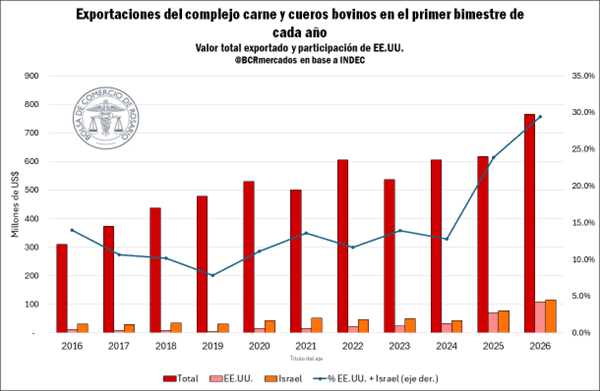
- Bull scenario (estimated 20% probability): A ceasefire or de-escalation in the US-Iran conflict (early signals of a halt have already moved the peso positively by 20+ centavos) leads to rapid oil price normalization. US consumer spending holds up, and Q2 GDP surprises to the upside. Recession contracts on Polymarket drop back to 30-40%. LATAM export economies, particularly agricultural powerhouses like Argentina (which posted a record $764.3 million in beef exports in the first two months of 2026), benefit from continued US demand.
- Bear scenario (estimated 30% probability): The Iran conflict escalates further, oil breaches $120/barrel, and the $1 trillion single-day loss becomes the first of several cascading sell-offs—the "Kiyosaki crash" scenario. US unemployment spikes above 6%, triggering a deep recession. LATAM economies face a double shock: collapsing export demand and soaring energy import costs. Prediction market recession contracts hit 85-90%. Capital flight from emerging markets accelerates.
Impact on prediction markets
The current environment is a stress test for prediction markets as a forecasting tool. With recession probability above 60%, traders must distinguish between genuine signal and fear-driven momentum. Historically, prediction markets have been more accurate than expert surveys at calling recessions, but they are not immune to herding behavior—especially when high-profile figures like Kiyosaki amplify bearish narratives across social media.
For LATAM traders specifically, the interpretation layer is critical. A US recession does not hit all LATAM economies equally. Countries with diversified export baskets—like Argentina, which has been expanding beef exports to new markets including Israel (29.4% of recent beef shipments went to the US and Israel combined)—may prove more resilient than oil-importing nations like Paraguay, where fuel prices have already jumped 40%.
On Predik, this creates opportunities to trade not just the headline US recession question but also correlated markets: dollar strength, commodity prices, LATAM currency movements, and regional political outcomes (Peru, for instance, faces fragmented elections amid this global uncertainty).
Risks and what would invalidate this thesis
- Geopolitical de-escalation: A sustained ceasefire between the US-Israel coalition and Iran would rapidly deflate oil prices and recession fears. Early ceasefire signals already moved the peso by over 20 centavos in a single session—a full resolution could push recession probability back below 40%.
- Federal Reserve intervention: Emergency rate cuts or expanded liquidity facilities could stabilize markets faster than prediction contracts currently imply. The Fed has tools it has not yet deployed.
- Prediction market liquidity illusion: Despite growing volume, some recession contracts on Polymarket and Kalshi remain relatively thinly traded compared to equity or forex markets. A few large positions can move implied probability by several percentage points, creating potential false signals.
- Kiyosaki signal-to-noise: Kiyosaki has predicted crashes repeatedly since 2013. While current conditions are genuinely concerning, anchoring a trading thesis to his narrative rather than hard data introduces significant noise risk.
- LATAM-specific divergence: Even if a US recession materializes, LATAM impact varies dramatically by country. Blanket bearish positioning on the region could miss outperformers with strong commodity export positions or favorable trade diversification.
FAQ
What is the current US recession probability on prediction markets? As of mid-April 2026, Polymarket and Kalshi recession contracts price the probability of a US recession above 60%, the highest level recorded this year and up sharply from around 35% in January 2026.
How would a US recession affect LATAM economies? The impact varies by country. Oil importers like Paraguay are already seeing fuel costs rise 40% due to the Iran conflict. Export-dependent economies would face reduced US demand, while currencies like the Mexican peso (recently at 17.70/USD) could weaken further. Countries with diversified exports, like Argentina, may show more resilience.
Is Kiyosaki's crash prediction credible this time? Kiyosaki's Rich Dad's Prophecy (2013) predicted a major crash driven by demographic and pension fund pressures. While he has repeated this warning many times, the current convergence of a military conflict, energy shock, and market sell-off gives his thesis more surface-level alignment with reality than in previous years. However, prediction market traders should rely on contract data and macro indicators rather than any single commentator.
Can I trade US recession markets on Predik? Yes. Predik offers macro event markets relevant to US recession scenarios, including related currency, commodity, and geopolitical contracts with a focus on LATAM context. Visit app.predik.io to explore available markets.
Sources
- Polymarket — US Recession Prediction Markets
- Robert Kiyosaki — Public Statements on Market Crash
- Ash Crypto — Market Analysis
Track markets like this in real time on Predik.