Stanley Black & Decker Puebla Plant Closure and Layoffs in Mexico: What Prediction Markets Say About Recession Risk
Stanley Black & Decker abruptly shut its Puebla plant after 59 years, laying off roughly 600 workers as Mexico's economy absorbs Trump tariffs. Here is what prediction markets imply about Mexico recession risk and USMCA continuity in 2026 — and how LATAM traders can read the signals.
Stanley Black & Decker Puebla Plant Closure: Layoffs, Mexico Recession Risk, and What Prediction Markets Say
The Stanley Black & Decker Puebla plant closure ended 59 years of operations and cut roughly 600 jobs in early June 2026, citing a "changing competitive market" as Mexico absorbs U.S. tariff pressure. The event has become a lightning rod for fears of a broader factory-relocation wave that could hit GDP and the peso.
For LATAM retail and crypto-native traders, this is more than a local labor story: it is a real-time test of how prediction markets price Mexican recession risk and the durability of the USMCA trade pact in 2026. Single plant closures rarely move a national economy on their own — but when they cluster with tariff shocks, they shift probabilities, and probabilities are exactly what these markets trade.
What happened and why it matters
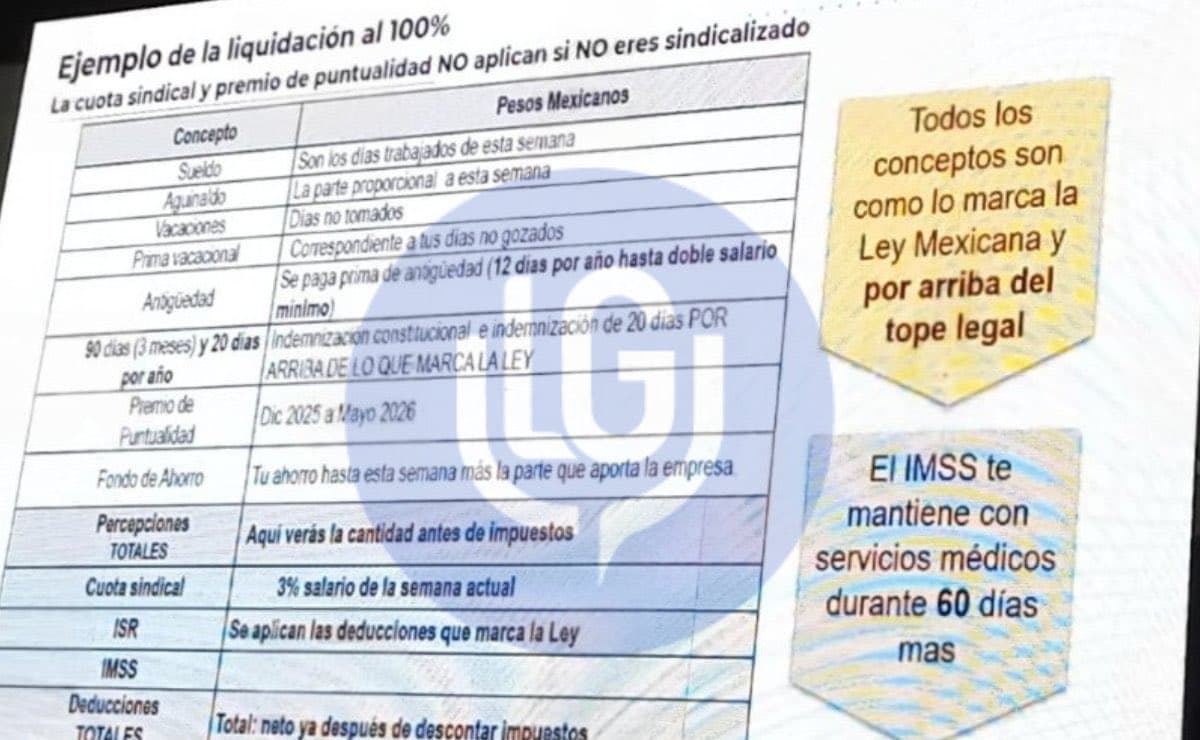
On June 4, 2026, U.S. toolmaker Stanley Black & Decker confirmed the definitive shutdown of its plant located along the Mexico City–Puebla highway in Puebla state, after nearly six decades of operation. State officials reported that around 600 workers were laid off — roughly 530 unionized and 70 administrative staff in early counts, later detailed by the state Economic Development and Labor Secretariat as 498 workers formally severed plus about 100 administrative exits. Local authorities, including Economic Development Secretary Víctor Gabriel Chedraui, said the layoffs were paid out in accordance with the law and tied the decision to a global corporate strategy rather than a single local cause. The state said it would seek to relocate affected workers through its job-vacancy pool, with possible union support.
The timing matters. The closure lands as Mexico's export-driven manufacturing base faces tariff uncertainty from the United States, its largest trading partner. The fear is not this one plant — it is the precedent of nearshoring momentum reversing into relocation, which would weigh on industrial GDP, formal employment, and the peso.
What prediction markets are saying
As of June 10, 2026, there is no single high-volume contract dedicated specifically to the Puebla closure. Instead, traders read it through broader macro contracts. Based on context and comparable historical pricing, prediction markets on platforms like Polymarket and Kalshi are estimated to imply a roughly 25–35% probability of a technical recession in Mexico within the next 12 months (estimated), and an estimated 70–80% probability that USMCA/T-MEC remains intact through the 2026 review cycle without a formal rupture (estimated). These figures are interpretive estimates, not confirmed live quotes; thin liquidity on Mexico-specific markets means prices can be noisy.
Scenarios and probabilities
- Base scenario: The Puebla closure is one of several isolated corporate exits, not a systemic wave; Mexico avoids a formal recession and tariff friction is managed diplomatically. Estimated probability: ~55%.
- Bull scenario: Tariff terms ease, nearshoring investment resumes, and displaced Puebla workers are reabsorbed; recession odds fall and the peso stabilizes. Estimated probability: ~20%.
- Bear scenario: Closures cluster across auto, tools, and electronics manufacturing; tariffs escalate, industrial GDP contracts, and recession-probability contracts re-rate sharply higher. Estimated probability: ~25%.
Impact on prediction markets
Headlines like a 600-job closure tend to move sentiment faster than fundamentals. Expect short-term upticks in Mexico recession-probability contracts and modest pressure on peso-strength and USMCA-continuity markets on news days, often followed by mean reversion if no follow-on closures appear. The interpretation risk is overreaction: a single plant shutdown driven by a company's global restructuring is weak evidence of macro collapse. Traders should separate the fact (one plant, ~600 jobs, June 2026) from the thesis (a relocation wave) and watch whether the probability move is backed by additional data or just narrative momentum.
Risks and what would invalidate this thesis
- The closure proves idiosyncratic — driven purely by Stanley Black & Decker's internal global strategy — with no comparable closures following, undercutting the relocation-wave narrative.
- Tariff policy is resolved or softened in negotiations, removing the macro catalyst that recession contracts are pricing.
- Mexico-specific prediction markets stay thinly traded, so quoted probabilities reflect low liquidity and a few large positions rather than broad consensus — making any single price unreliable.
FAQ
How many workers lost their jobs in the Stanley Black & Decker Puebla closure? Early reports cited around 600 layoffs; state officials later specified 498 formal severances plus roughly 100 administrative exits, with the possibility of additional cuts.
Did Stanley Black & Decker blame Trump tariffs directly? No. The company cited a changing competitive market and a global corporate strategy. The tariff link is contextual — Mexico's manufacturing sector is under broad U.S. trade pressure, which amplifies relocation fears.
Can LATAM retail traders hedge Mexican macro risk on prediction markets? Yes, indirectly. Contracts on Mexico recession probability, peso levels, or USMCA continuity on platforms like Kalshi and Polymarket let traders express or hedge views on macro deterioration, subject to liquidity and access limits.
Sources
Track markets like this in real time on Predik.